Lighting for Peace of Mind: How to Create Your Inner Sanctuary with Mindful Illumination

In today’s fast-paced world, our homes are more than just shelters; they are our sanctuaries, places to recharge and find quiet contemplation. While we often focus on comfortable furniture and curated decor, one element is frequently overlooked, yet it has the most significant impact on our mood and emotional well-being: lighting.
At Artinko, we believe that design should serve both function and feeling. Lighting your home shouldn't just be about visibility; it's about crafting an atmosphere that fosters "peace of mind."
Here is our guide to transforming your space using mindful, artful illumination techniques.
1. The Foundation: Harness the Power of Natural Light
The ultimate source of calming energy is sunlight. A well-lit space feels connected to nature, which inherently reduces stress and regulates our circadian rhythms.
Imagine a room flooded with soft, diffused daylight. While not every home has a grand inner courtyard or floor-to-ceiling windows, you can maximize your natural light by:
-
Keeping windows clean and unobstructed.
-
Using light-filtering sheer curtains rather than heavy blackouts during the day to soften the sun's glare.
-
Strategically placing mirrors opposite windows to bounce and reflect daylight deeper into darker corners.
2. The Strategy: Layer Your Light
The biggest mistake in home lighting is relying on a single, harsh overhead fixture. This creates stark contrast and stressful, unflattering shadows. True "peace of mind" lighting is layered, creating balance and depth.
To flawlessly light a room, you need three critical layers:
Layer 1: Ambient Lighting (The Base)
This is the overall illumination of the room. It should be soft and evenly distributed. Think about subtle recessed lighting that washes across the ceiling, or high-quality floor lamps with large linen shades that diffuse a warm glow throughout the space. The goal is to provide enough light to navigate the room comfortably without being jarring.
Layer 2: Task Lighting (The Function)
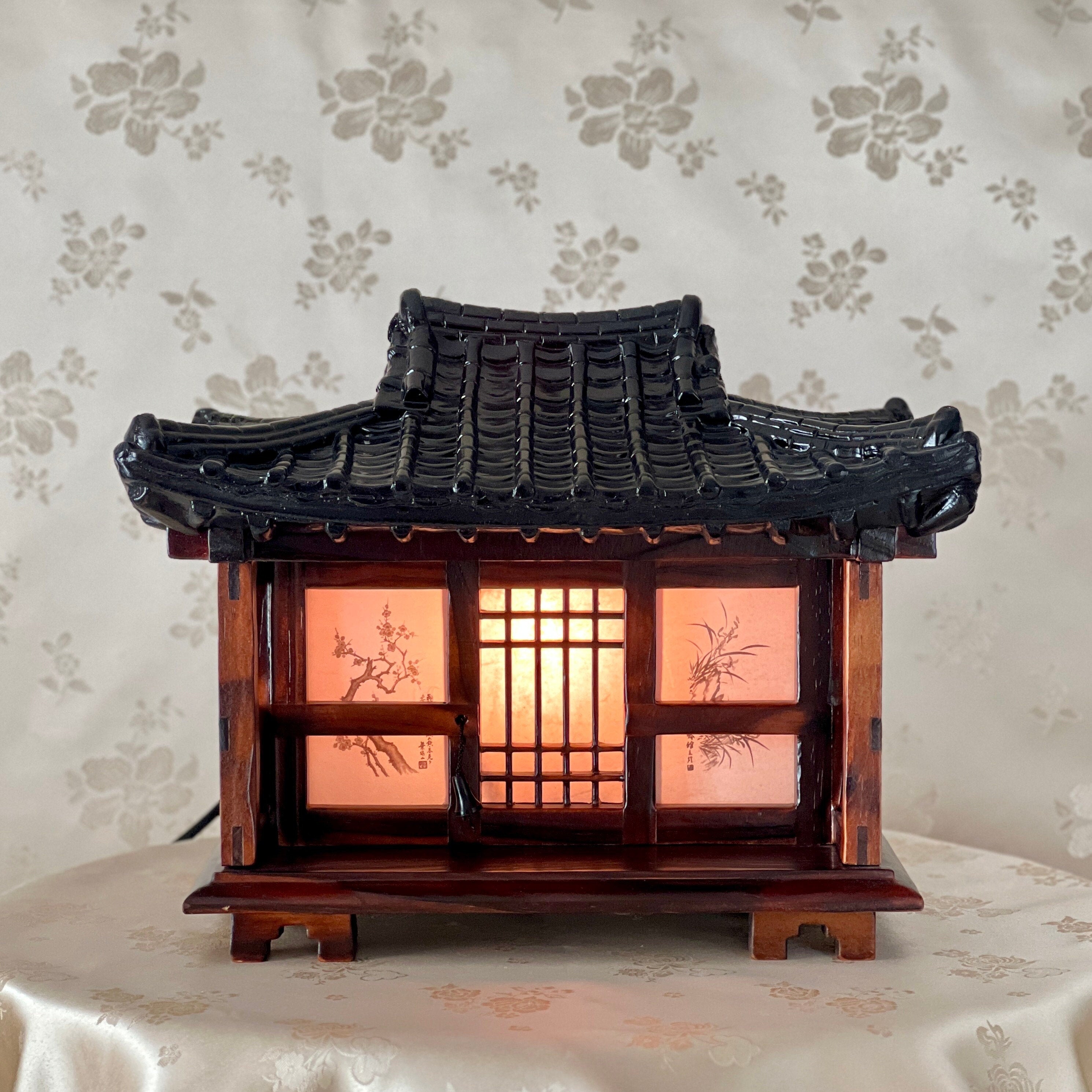
Task lighting illuminates specific areas for activities like reading, cooking, or working. The key is to make it functional without breaking the calm atmosphere. A warm, hanging pendant light over a cozy reading nook or a dedicated desk lamp creates a defined, inviting space for focus.
Layer 3: Accent Lighting (The Artistic Focus)
This is where Artinko’s philosophy truly shines. Accent lighting draws attention to the things that bring you joy—artwork, sculptures, or cherished collections. Curating restful focal points is essential for mental clarity.
A subtle, directed spotlight highlighting a traditional Wadang (Korean eave tile) on the wall transforms it from an architectural detail into a moment of calm reflection. Similarly, casting a soft glow over a collection of celadon vases turns elegant objects into a beautifully restful vignette.
3. The Details Matter: Dimming and Color Temperature
Mindful lighting requires flexibility and warmth.
-
Install Dimmers Everywhere: The ability to soften the light as the day ends is non-negotiable for relaxation. Gradually lowering the lights in the evening signals to your brain that it’s time to unwind and prepare for rest.
-
Choose Warm-White Bulbs: Color temperature is measured in Kelvins (K). For a peaceful home environment, especially in bedrooms and living rooms, opt for bulbs in the 2700K to 3000K range. This "warm white" light is inviting and restful, mimicking the golden hour of the sun, whereas higher Kelvins (4000K+) can feel cool and clinical, like an office space.
Final Thoughts: Curating Your Own Sanctuary
Lighting for peace of mind isn't about expensive fixtures; it's about being intentional with the light you have and the focal points you create. By embracing natural light, layering your sources to avoid harshness, using dimmers, and highlighting restful art and objects, you can easily create an environment that nurtures your well-being.
Your sanctuary is waiting. It just needs the right light.