Der Fluss zweier Seelen: Wie das 4. Jahrhundert die koreanische Kunst definierte – Silla- und Gaya-Dynastien

Jenseits des Nakdong: Die Entdeckung der Trennlinie zwischen Silla- und Gaya-Keramik im 4. Jahrhundert
Die große Trennung: Ein Wendepunkt im 4. Jahrhundert
Geschichte wird oft mit Tinte geschrieben, aber im Falle der koreanischen Halbinsel wurde sie in Ton gebrannt. Vor dem 4. Jahrhundert teilten die Regionen um den Nakdong-Fluss eine gemeinsame künstlerische Sprache und nutzten ähnliche Formen und Produktionsprozesse für ihre Töpferwaren.
Mit dem Anbruch des 4. Jahrhunderts kam es jedoch zu einer grundlegenden „Trennung der Form“. Diese archäologische Verschiebung führte zur Geburt zweier unterschiedlicher Identitäten – Shilla Togi und Kayatogi – die die Ästhetik des Ostens und Westens für immer spalteten.
Östlich des Flusses: Der Aufstieg des Goryeo-Stils
Östlich des Nakdong-Flusses lag Gyeongju, das Herz des Silla-Königreichs. Als Silla begann, die politische Initiative zu ergreifen, verbreitete sich sein einzigartiger Töpferstil von der Hauptstadt in die umliegenden Regionen.
Silla-Keramik spiegelte einen Staat wider, der in eine einzige, mächtige Einheit integriert wurde. Diese zentralisierte Stärke ist in der Konsistenz und dem etablierten Charakter von Shilla Togi sichtbar, das in der historischen Literatur gut dokumentiert ist.
Westlich des Flusses: Das ungeschriebene Geheimnis von Gaya
Während Silla konsolidierte, unterhielt die Gaya-Konföderation westlich des Flusses ein stärker differenziertes Produktionssystem. Da die Geschichte von Gaya selten in schriftlicher Literatur festgehalten wurde, dient ihre Töpferware – Kayatogi – als primäre Quelle für das Verständnis dieser „verlorenen“ Zivilisation.
Die „Stärke“ der Vielfalt: Während Kayatogi manchmal durch eine gewisse „Schwäche“ im Vergleich zum vereinheitlichten Silla-Stil gekennzeichnet ist, war dies ein Nebenprodukt der Tatsache, dass Gaya eine Ansammlung kleiner Nationen und kein einziger integrierter Staat war.
Symbolische Geometrie: Gaya-Handwerker zeichneten sich durch die Herstellung von Töpferwaren aus, die die Welt um sie herum nachahmten. Sie schufen unglaubliche Relikte in Form von:
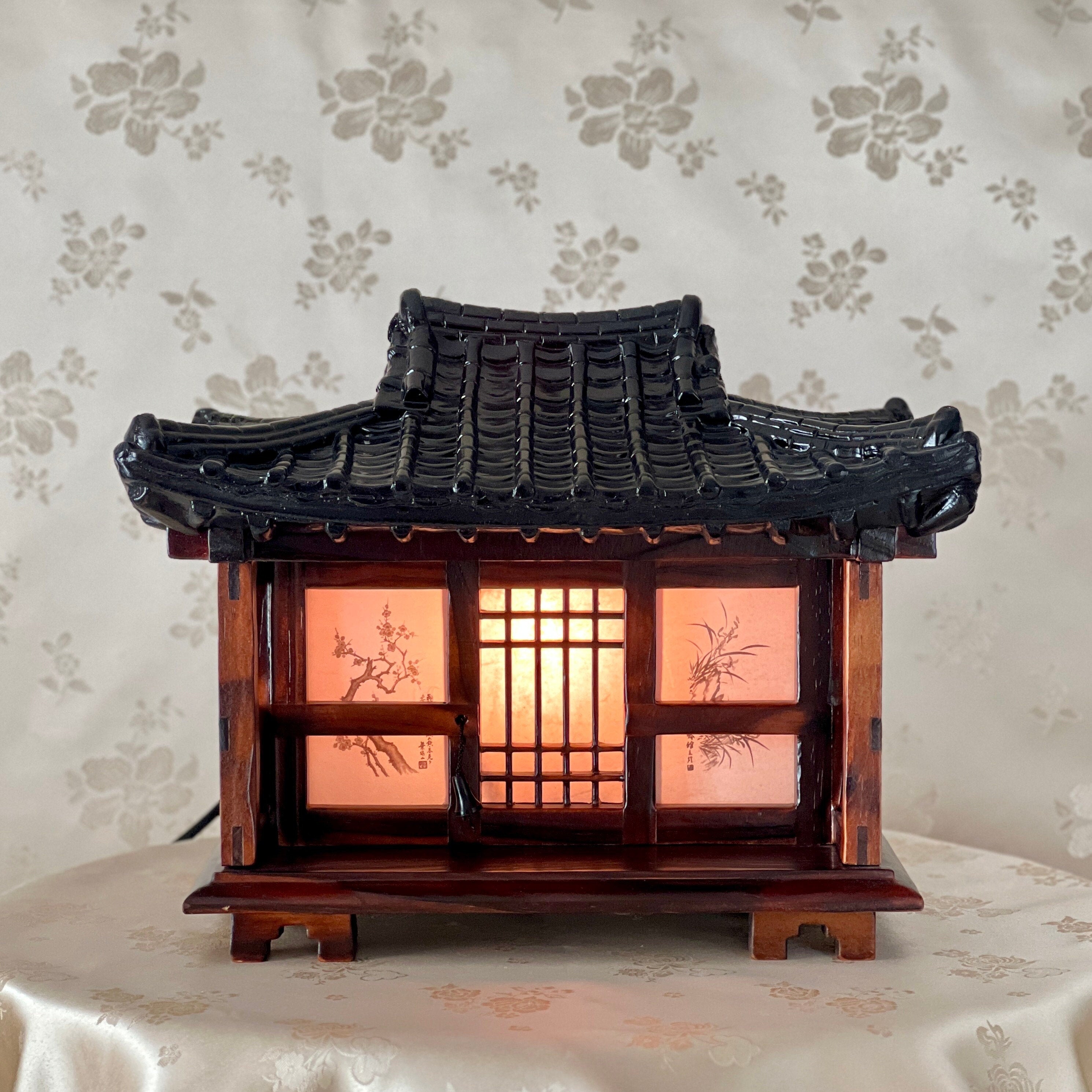
• Häuser: Spiegeln die Architektur der Epoche wider.
• Schiffe: Zeugen der maritimen Handelskunst Gayas.
• Räder: Ein Beweis für den technologischen Fortschritt der Zeit.
Geschichte in das moderne Zuhause bringen
Für ein „Modern Zen“-Interieur bieten diese alten Stile zwei sehr unterschiedliche Energien. Sillas vereinheitlichte, etablierte Formen verleihen einem Raum ein Gefühl von Ordnung und königlicher Geschichte. Im Gegensatz dazu dienen Gavas skulpturale Haus- und Schiffsformen als architektonische Gesprächsstücke – roh, symbolisch und tief verbunden mit einer Geschichte, die fast vergessen wurde.