How to Identify Authentic Korean Mother-of-Pearl (Najeon): A Buyer's Guide

For over a thousand years, the breathtaking beauty of Najeon—traditional Korean mother-of-pearl inlay—has been treasured by royalty, scholars, and art collectors around the world. The mesmerizing, iridescent glow of a finely crafted Korean jewelry box or chest is unmistakable.
However, as this exquisite art form grows in global popularity, the market is unfortunately seeing an influx of cheap, mass-produced imitations made from plastic, resin, and chemical sprays. When you are investing in a piece of cultural history, you need to know exactly what you are buying.
Whether you are looking for a meaningful wedding gift or an heirloom piece for your own home, this guide will teach you how to inspect mother-of-pearl like a true collector and easily spot the difference between a factory replica and an authentic artisan masterpiece.
1. What is Authentic Najeon?
To understand how to spot the real thing, it helps to understand the name. In Korean, "Najeon" refers specifically to the art of mother-of-pearl inlay.
Authentic Korean Najeon is a traditional craft that uses the highly iridescent inner shell of abalone or conch. These shells are meticulously flattened, cut into microscopic pieces by hand, and inlaid into a wooden base. The entire piece is then repeatedly coated, sanded, and polished using Ottchil—a natural lacquer harvested from the sap of the lacquer tree.
2. The 5 Signs of Authentic Korean Mother-of-Pearl
When evaluating a piece of Korean art, look closely for these five hallmarks of authentic craftsmanship.
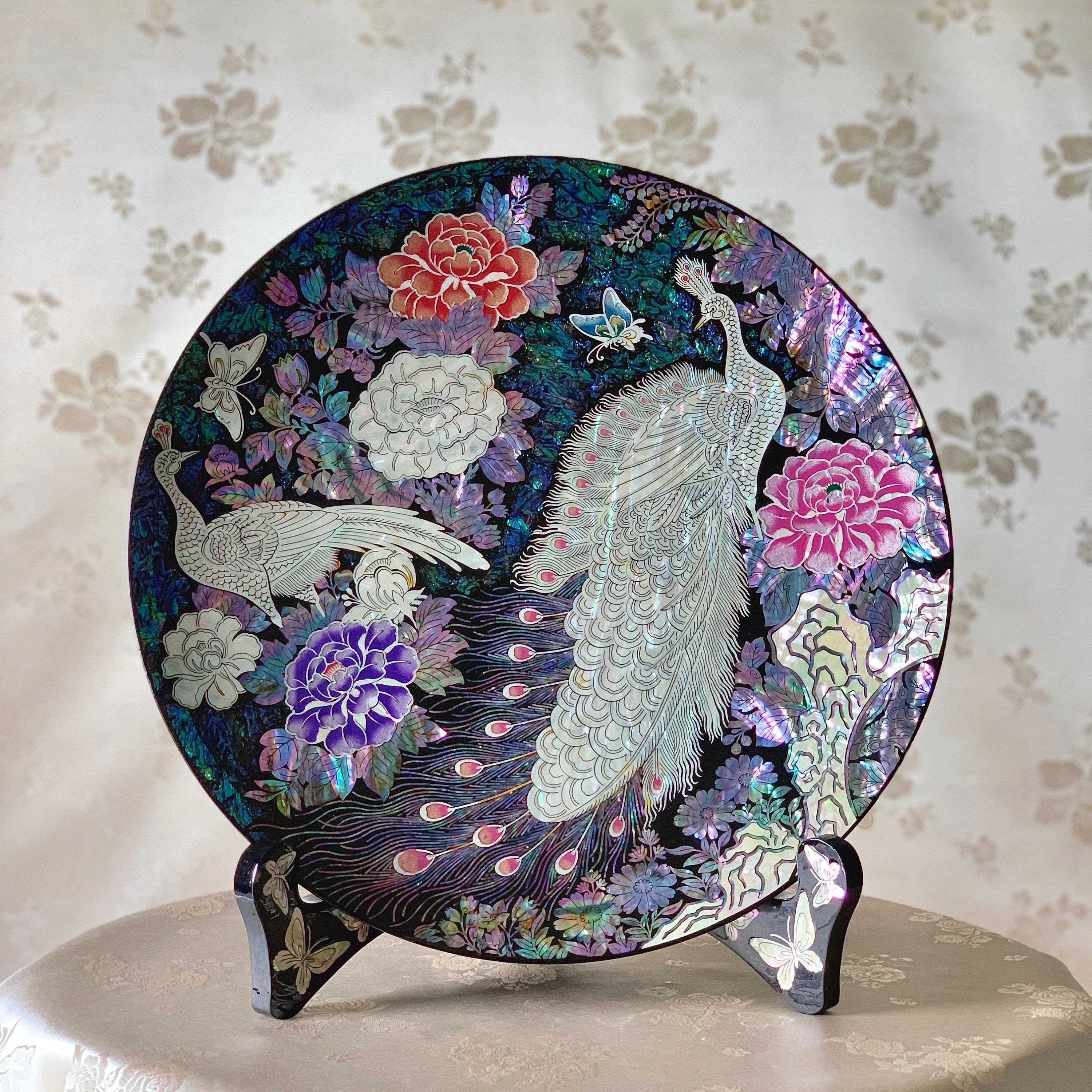
- Sign #1: The Iridescence Test (Real Shell vs. Plastic) Authentic abalone shell possesses a multidimensional, natural glow that shifts colors—from deep ocean greens and blues to vibrant pinks and purples—depending on the lighting and the angle of your viewing. Because it is an organic material, no two pieces of shell are exactly alike. Fake resin or plastic inlays, on the other hand, look flat, uniformly white or silver, and lack that magical "color-shifting" depth.
- Sign #2: The Lacquer Finish (Ottchil vs. Chemical Spray) The finish of a true Najeon piece is just as important as the shell itself. Authentic pieces use Ottchil (traditional natural lacquer). This sap takes months to cure in specialized humidity rooms, and it is applied in dozens of razor-thin layers. The result is a deep, mirror-like finish that is incredibly durable, naturally antibacterial, and resistant to moisture. Factory replicas often use cheap polyurethane sprays that look cloudy, feel plasticky, and chip easily over time.
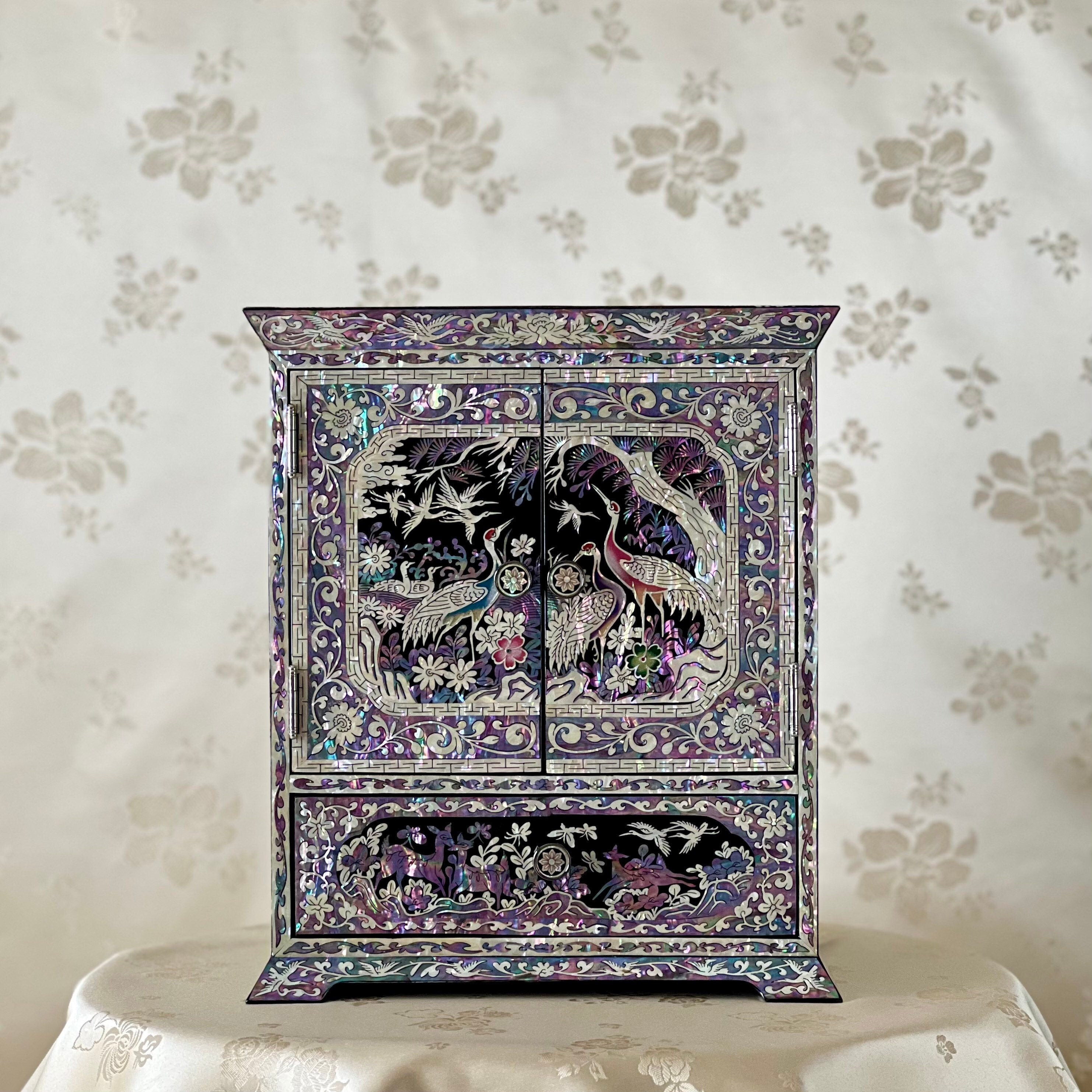
- Sign #3: The Intricacy of the Cutting Techniques Korean mother-of-pearl is world-renowned for its unbelievably intricate cutting techniques. Look closely at the borders and details of the design. You should see signs of Kkeuneumjil (a technique where the artisan cuts the shell into hair-thin strips to create geometric borders) and Jureumjil (intricate filigree cutting for shapes like flower petals or bird wings). Authentic pieces show the painstaking, microscopic signs of hand-cutting, whereas fake pieces look like stamped, perfectly uniform stickers.
- Sign #4: The Weight and Foundation An authentic Korean jewelry box or chest feels substantial. Traditional artisans build the foundation using high-quality solid woods (often Korean pine) or wrap the frame in specialized Hanji (Korean mulberry paper) before lacquering to prevent the wood from warping over centuries. Fake pieces are often shockingly light because they are built on cheap MDF or particleboard.
- Sign #5: Meaningful Traditional Motifs Authentic Najeon is deeply symbolic. Artisans do not just create pretty designs; they tell stories. A true piece will feature traditional motifs meant to bestow blessings upon the owner. For example:
- Peonies and Butterflies: Represent wealth, prosperity, and joyous love (often found on our authentic Peony & Butterfly Chests).
- Sipjangsaeng (The Ten Symbols of Longevity): Features cranes, pine trees, turtles, and clouds, representing a long, healthy life (a popular motif for our Longevity Double-Door Jewelry Chests).
3. Why True Najeon is an Investment
When you purchase authentic mother-of-pearl artwork, you are not just buying a decorative box; you are investing in hundreds of hours of human dedication.
Most people are shocked to learn that a single authentic mother-of-pearl piece takes an artisan anywhere from 3 to 6 months to complete. The creation process involves over 45 individual steps—including hand-carving the wood base, applying natural sap, drying it in climate-controlled rooms, hand-cutting the delicate shell, pressing the inlay, and repeatedly sanding and polishing until the shell is perfectly flush with the lacquer.
It is an agonizingly slow, beautiful process that machines simply cannot replicate. This is why a true piece of Najeon is designed to last for generations as a family heirloom.
4. Where to Buy Authentic Korean Art Online
The safest way to ensure you are purchasing authentic Korean art is to buy directly from a trusted gallery that works closely with master artisans in South Korea.
At ArtinKo, we are dedicated to preserving the rich heritage of Korean craftsmanship. We source our Najeonchilgi, Celadon pottery, and traditional wooden crafts directly from the hands of the artists. As an established authority in Korean art, we are also proud to be backed by over 1,000 five-star reviews from global collectors on our Etsy storefront, ArtinkoGallery.
Don't settle for imitations. Bring the authentic soul of Korean artistry into your home.
[Explore ArtinKo's Curated Collection of Authentic Mother-of-Pearl Here]