The Eternal Flight: Why the Crane and Cloud Define Korean Luxury

In the world of Korean ceramics, certain patterns transcend simple decoration. If you look closely at a piece of Goryeo Celadon, you will almost certainly see them: slender, elegant cranes drifting through stylized clouds.
This isn't just art—it’s a philosophy.

The Legend of the Un-hak-mun
The "Crane and Cloud" (or Un-hak-mun) has been the signature of Korean nobility for over a thousand years.
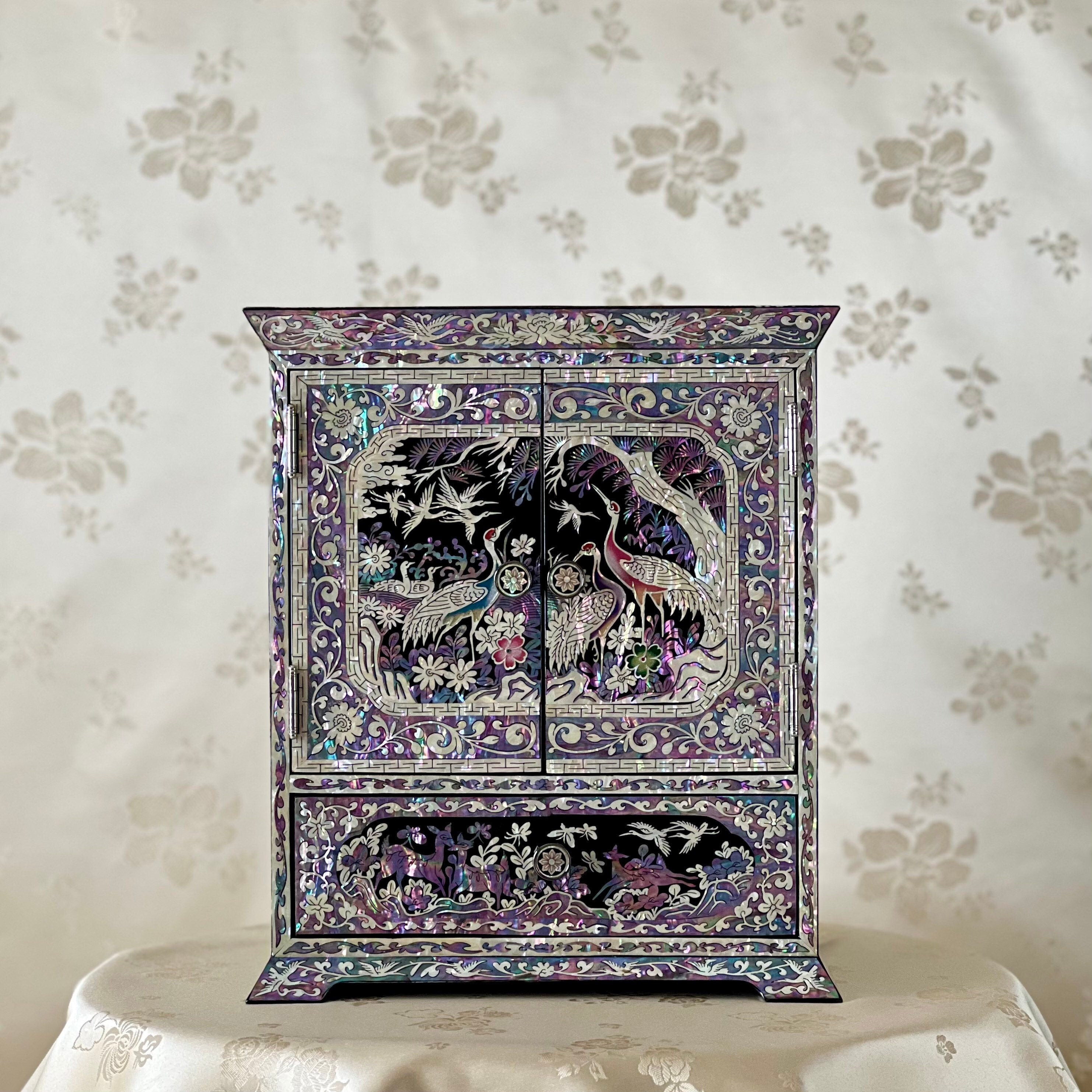
• The Crane: In Korean culture, the crane is a symbol of longevity, nobility, and eternal youth. It is said that cranes live for a thousand years, making them the ultimate messengers of a long and peaceful life.
• The Clouds: They represent the realm of the immortals. When paired together, the pattern symbolizes a soul rising above the chaos of the world to find a place of permanent serenity.
The Sanggam Technique: Beauty Under the Surface
What makes ArtinKo’s Celadon pieces special isn't just the pattern, but how it’s made. Our artisans in Gimpo, South Korea, use the traditional Sanggam (inlay) technique.
1. The artisan carves the crane into the raw clay.
2. They fill the tiny carvings with white or black slip (liquid clay).
3. The excess is scraped away, leaving a pattern that is literally part of the vessel’s body, not just painted on top.
Bringing the Eternal Flight to Your Home
In 2026, our homes have become our sanctuaries. Holding a cup etched with the Un-hak-mun pattern is a reminder to take the "long view"—to value objects that last generations and to find your own "eternal flight" in a simple afternoon tea.
ArtinKo Insight: Every Celadon piece in our collection is hand-selected from our incredible artists to ensure the inlay is crisp and the jade-green glaze (Bi-saek) is authentic to the Goryeo tradition.
Explore the Celadon Collection