Onggi and the Ritual of the Everyday

There is a jar in every Korean grandmother’s courtyard that has outlived seasons, moves, and sometimes the house around it. It does not announce itself. It sits, wide-bellied and unglazed, catching sun on one side and shadow on the other, and inside it, something is becoming.
This is onggi — the breathing earthenware of Korea, made for one purpose above all others: to hold what is fermenting, and to let it keep fermenting.
A Vessel That Breathes
Unlike porcelain or celadon, onggi is not sealed shut by its glaze. The clay body is porous by design, fired at lower temperatures with a natural ash glaze that allows air to move — slowly, patiently — through the walls of the jar. Doenjang, gochujang, kimchi, soy sauce: all of it needs this exchange with the outside air to become what it is. The jar is not a container in the way we usually mean the word. It is a collaborator.
This is the quiet genius of onggi. It does less than a modern airtight container, and because of that, it does more.
Craft Without Ceremony
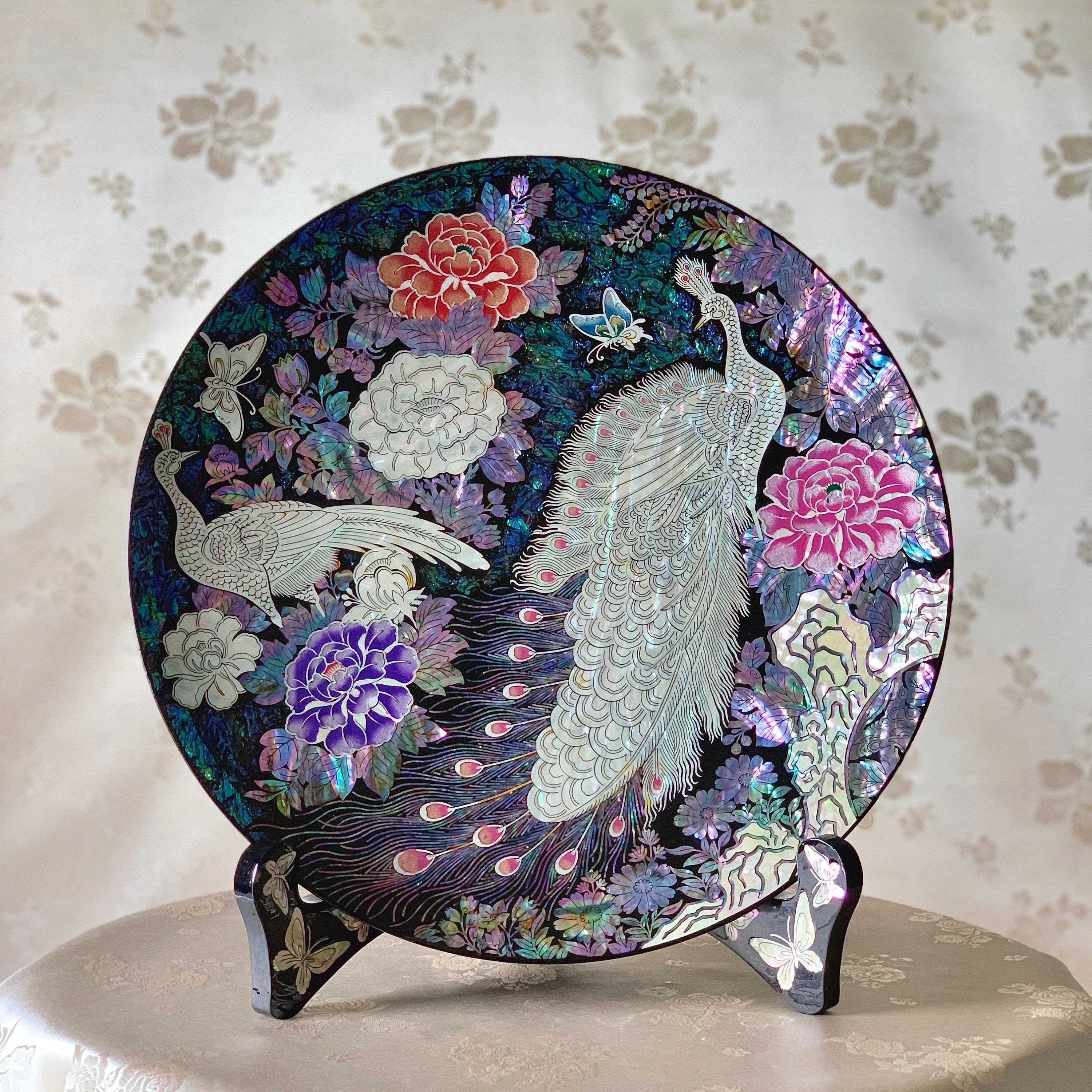
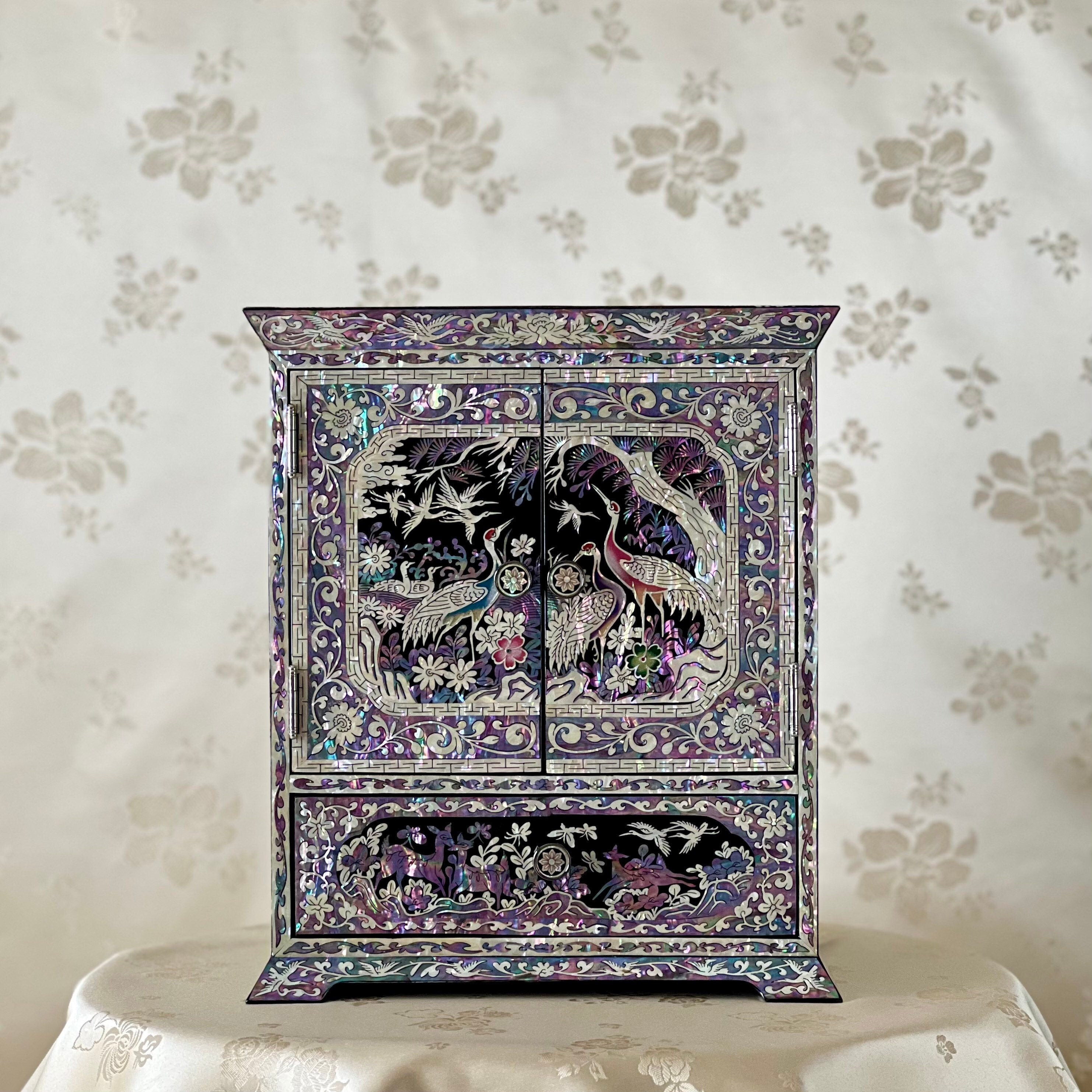
Part of what makes onggi different from the celadon and mother-of-pearl pieces we usually feature is that it was never made to be looked at. It was made to be used, daily, without self-consciousness — set on a rooftop or in a corner of the yard, refilled year after year, passed down not as an heirloom to be admired but as a tool to keep working.
That is its own kind of dignity. A Traditional Korean Onggi Fermentation Jar doesn’t ask to be the centerpiece of a room. It asks to be filled — with soybean paste, with gochujang, with whatever needs time and air to become itself — and to sit somewhere it will be seen every day, almost without being seen at all.
Bringing It Into a Modern Kitchen
You don’t need a courtyard to keep this ritual alive. A 4-liter onggi jar finds a home on a kitchen counter or a pantry shelf just as easily as it once did outdoors — a little slower, a little quieter than the rest of the kitchen around it, doing its slow work while everything else moves fast.
There’s something worth sitting with in that contrast. We live surrounded by things built to be finished quickly — food that’s ready in minutes, containers that seal everything in and keep the world out. Onggi asks for the opposite. It asks for weeks, sometimes months. It asks you to trust a process you can’t see happening, and to check in on it the way you might check in on a person — not to hurry it, just to notice how it’s doing.
An Everyday Heirloom
Craft doesn’t have to be rare to be meaningful. Some of the most enduring Korean traditions were never museum pieces — they were kitchen pieces, courtyard pieces, the kind of object that earns its place through use rather than display. Onggi belongs to that lineage. It is heritage you can eat from.
To bring one into your home is to bring in a small, patient ritual: the seasonal opening of the lid, the smell of something changing underneath it, the quiet understanding that not everything worth having is instant.
Explore our onggi and traditional kitchenware collection here.