What Is a Sarangchae? On the Room Behind Our Name

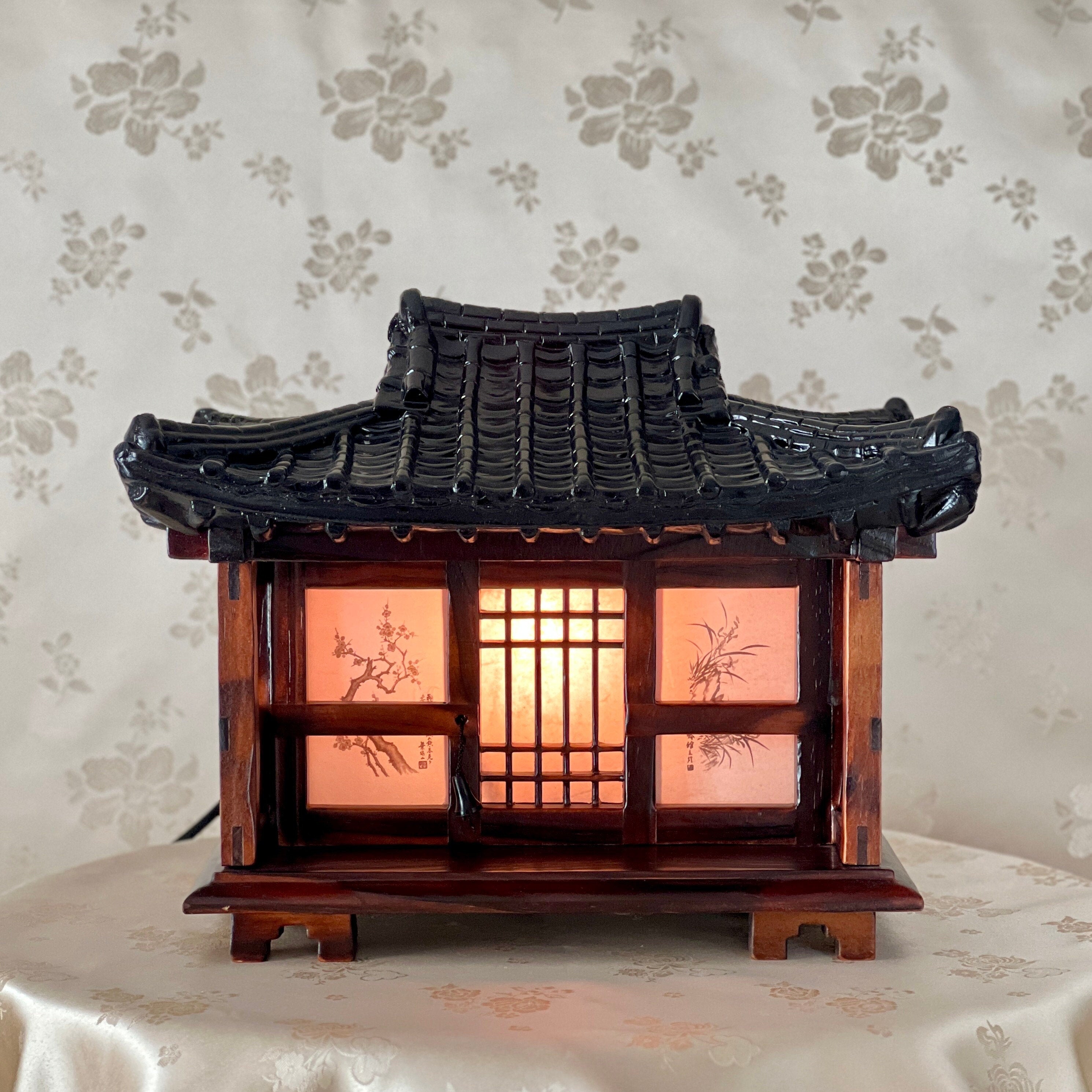
Before there was a shop, there was a room. In the traditional Korean house — the hanok — that room sat closest to the gate, its wooden lattice doors opening onto a small garden, a jar of tea leaves warming somewhere nearby. It was called the sarangchae — and it is where this journal borrowed its name.
We wanted to pause and explain it properly — not a technique or a dynasty this time, but the idea this whole journal is built on. So: welcome to the sarangchae. Come in, sit down. Let us tell you what this room was, and why we named things after it.
A House Divided in Two
A hanok of any size was traditionally split into two worlds. The anchae, the inner quarters, belonged to the women of the household — its life turned inward, toward the kitchen courtyard and the raising of children. The sarangchae was its counterpart: the men’s quarters, positioned nearer the entrance so that guests could be received without ever needing to cross into the family’s private world.
This division hardened during the Joseon dynasty (1392–1897), when Neo-Confucian ideals of strict gender separation reshaped domestic architecture across the peninsula — eventually reaching even modest rural homes, not just the estates of the elite. In a large house, the sarangchae might be a small wing of several rooms, opening onto its own garden and separated from the anchae by an open wooden hall, the taech’ŏng. In a smaller home, the entire sarangchae could be a single room — the sarangbang — doing all its work at once.
What Actually Happened in the Sarangbang
Call it a study, a reception room, and a small stage for moral performance, all at once.
Its practical purpose was scholarship. A yangban household — the landed, Confucian-educated class who staffed Joseon’s civil bureaucracy — measured its standing by its men’s command of the Confucian classics, and the sarangbang was where that command was built. Brushes, ink sticks, paper, and inkstones sat ready at a low reading table. Ambitious sons studied here for years, preparing for the state examinations that were, for centuries, the only respectable route into government office.
But the room was also a kind of quiet argument, made in paint rather than words. Its walls were often hung with chaekgado — trompe-l’œil “book paintings” stacked with scholarly objects — as a standing reminder of devotion to learning, or with yeorindo imagery of a carp leaping upstream, a folk symbol of perseverance toward success. Some households displayed munjado, decorative renderings of Chinese characters representing the eight Confucian virtues: filial piety, brotherly love, loyalty, trust, propriety, righteousness, integrity, and a sense of shame. A young scholar did not just study in this room. He was meant to be quietly instructed by it every time he looked up from his book.
And it was where guests were received — which meant it doubled as a household’s public face. A visitor formed his impression of a family not from the kitchen or the bedroom, but from this one carefully composed room: its brush holders and water droppers in porcelain or celadon, its restrained wooden furniture, its evident good taste. Hospitality and reputation were, in the sarangbang, the same project.
Why We Named This Journal After It
We chose sarangchae because it holds, in one word, everything this weekly journal is trying to do.
It was a room built for two things that don’t often share space anymore: serious study and generous welcome. A place where an object on a shelf — a celadon water dropper, a lacquered brush box — was never just furniture. It was evidence of discernment, a small argument for a whole way of seeing the world, offered to whoever walked through the door.
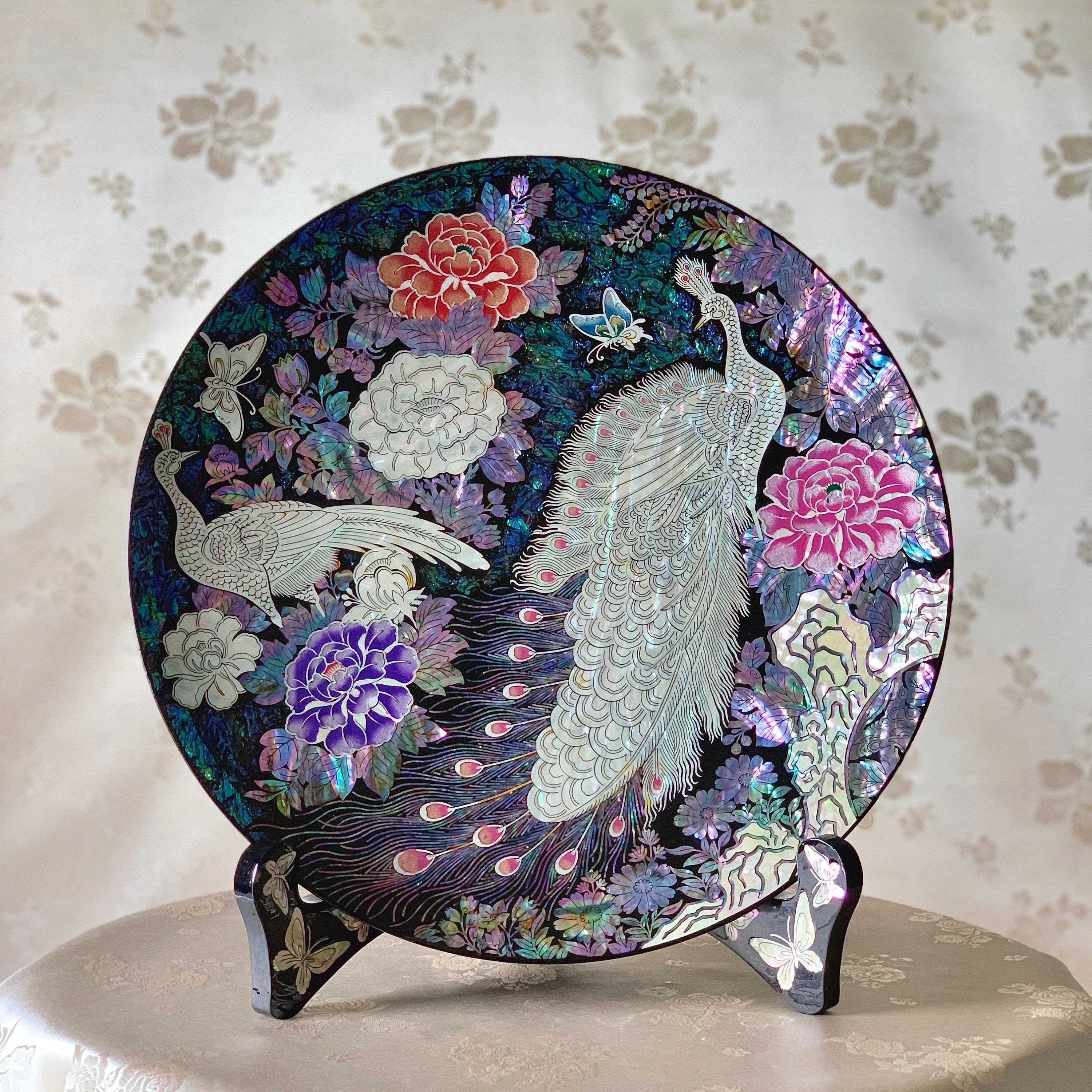
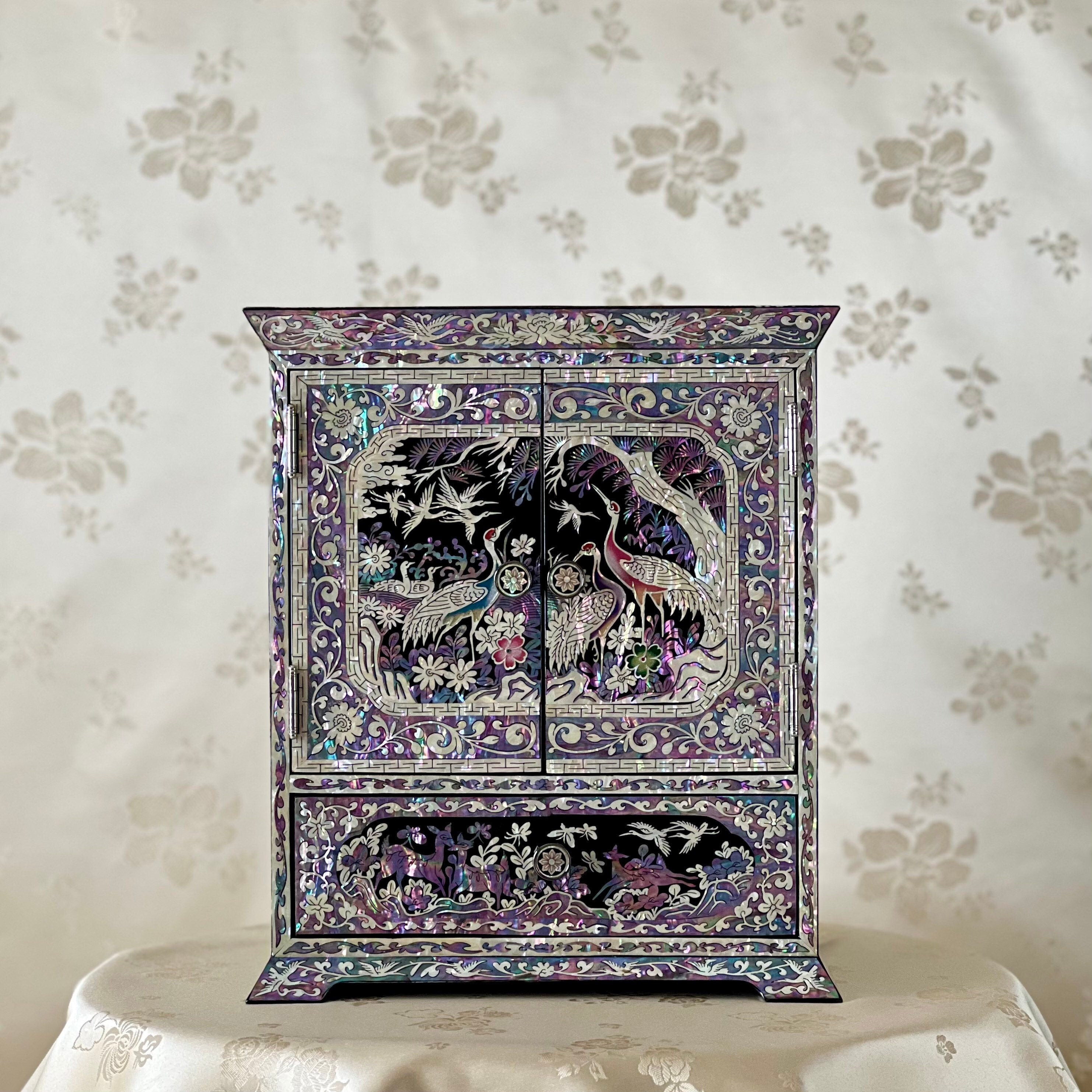
That is the room we want this journal to be. A weekly gathering point where we can slow down and look closely at the traditions behind the pieces we carry — the jade-glazed cheongja celadon shaped by artisans like Kim Yong-Seop in Icheon, the centuries-old art of najeonchilgi mother-of-pearl inlay practiced today by masters like Lee Young-ok, the Joseon-era craft lineages that still, remarkably, have living hands to carry them forward. We’ll walk through Korean history not as a timeline to memorize, but as the context that makes a single vase or box legible — why its shape is the shape it is, why its restraint is the point rather than an accident.
Every hanok, no matter how humble, made room for a sarangchae — because hospitality and cultivation were never treated as luxuries. They were the ordinary, weekly work of a household that cared about its guests and its own growth. We’re borrowing that spirit at a much smaller scale: one room, one door held open, one week at a time.
What to Expect Here
In the weeks ahead, this space will move between three threads that all eventually meet: Korean history and dynastic context (mostly Goryeo and Joseon, where so much of what we sell has its roots), the traditions and social customs that shaped daily and ceremonial life, and the handmade art itself — the specific techniques, materials, and living makers behind celadon, lacquerware, and the other crafts ArtinKo represents.
We won’t pretend to cover it all at once. A sarangbang wall could only hold so many paintings; a single post can only hold so much history. But we intend to keep the door open every week, and we hope you’ll keep coming back to sit with us a while.
Next week, we’ll step further into the garden this room looks out on — starting with bojagi, the Korean tradition of wrapping cloth, and the quiet philosophy behind giving something beautifully covered.
Until then — welcome to the sarangchae.
Sources: Sarangchae – Wikipedia, The Sarangbang – National Folk Museum of Korea, Yangban: The Cultural Life of the Joseon Literati – The Met