The Jewel of the East: A History of Korean Mother-of-Pearl (Najeonchilgi)

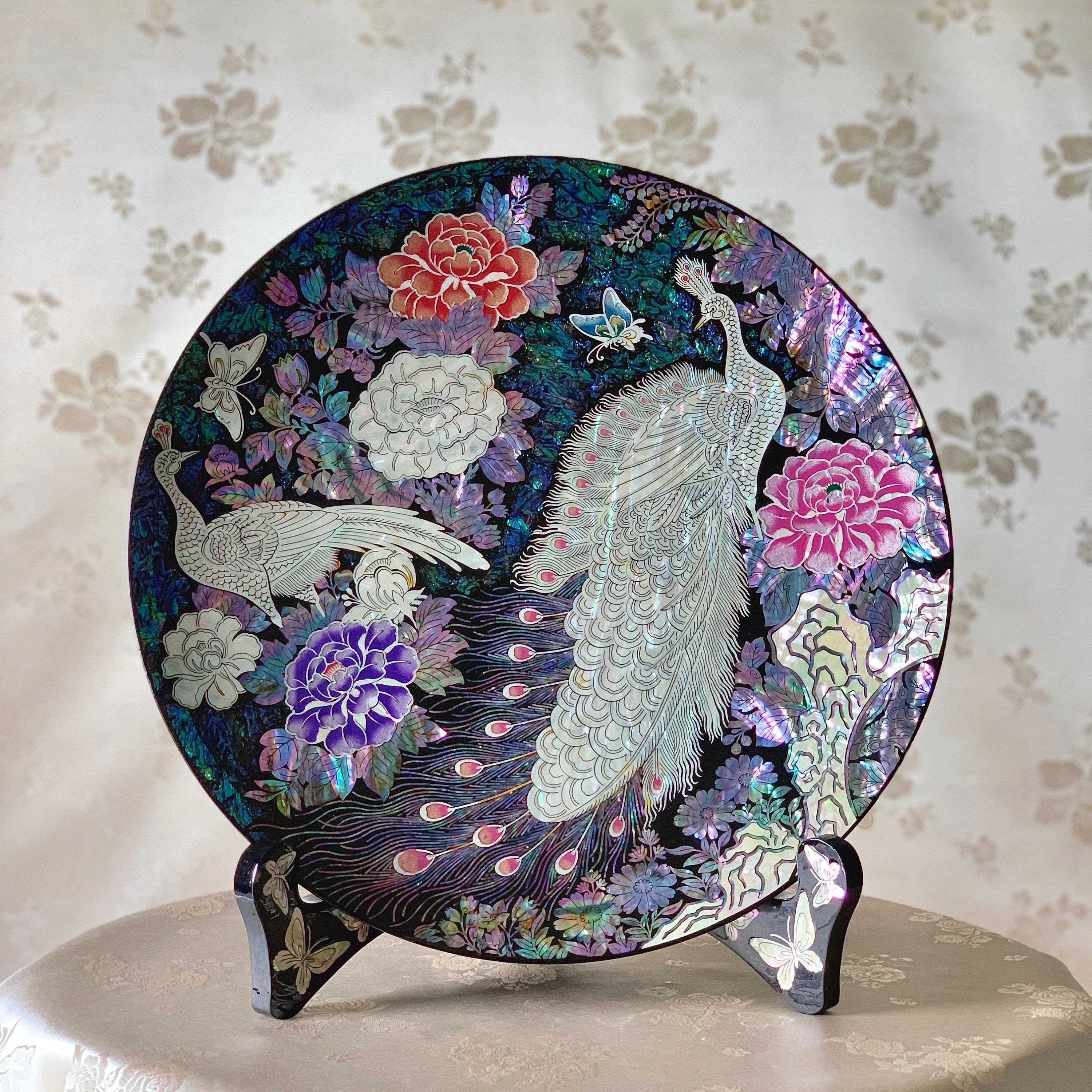
If you hold a piece of Najeonchilgi to the light, you will see it shift from pink to emerald to deep indigo. It is a spectacle that no paint can mimic, created entirely by nature and the steady hand of a master artisan.
For over a thousand years, this art form—known internationally as Korean Mother-of-Pearl Lacquerware—has been the ultimate symbol of wealth and sophistication in East Asia. But what exactly is it, and how did it evolve from a royal treasure to a beloved cultural icon?
Decoding the Name: What is Najeonchilgi?
The word might sound complex, but its meaning is beautiful in its simplicity.
-
"Na" (나): Conch or shell (specifically the abalone shell).
-
"Jeon" (전): To decorate or inlay.
-
"Chilgi" (칠기): Lacquerware.
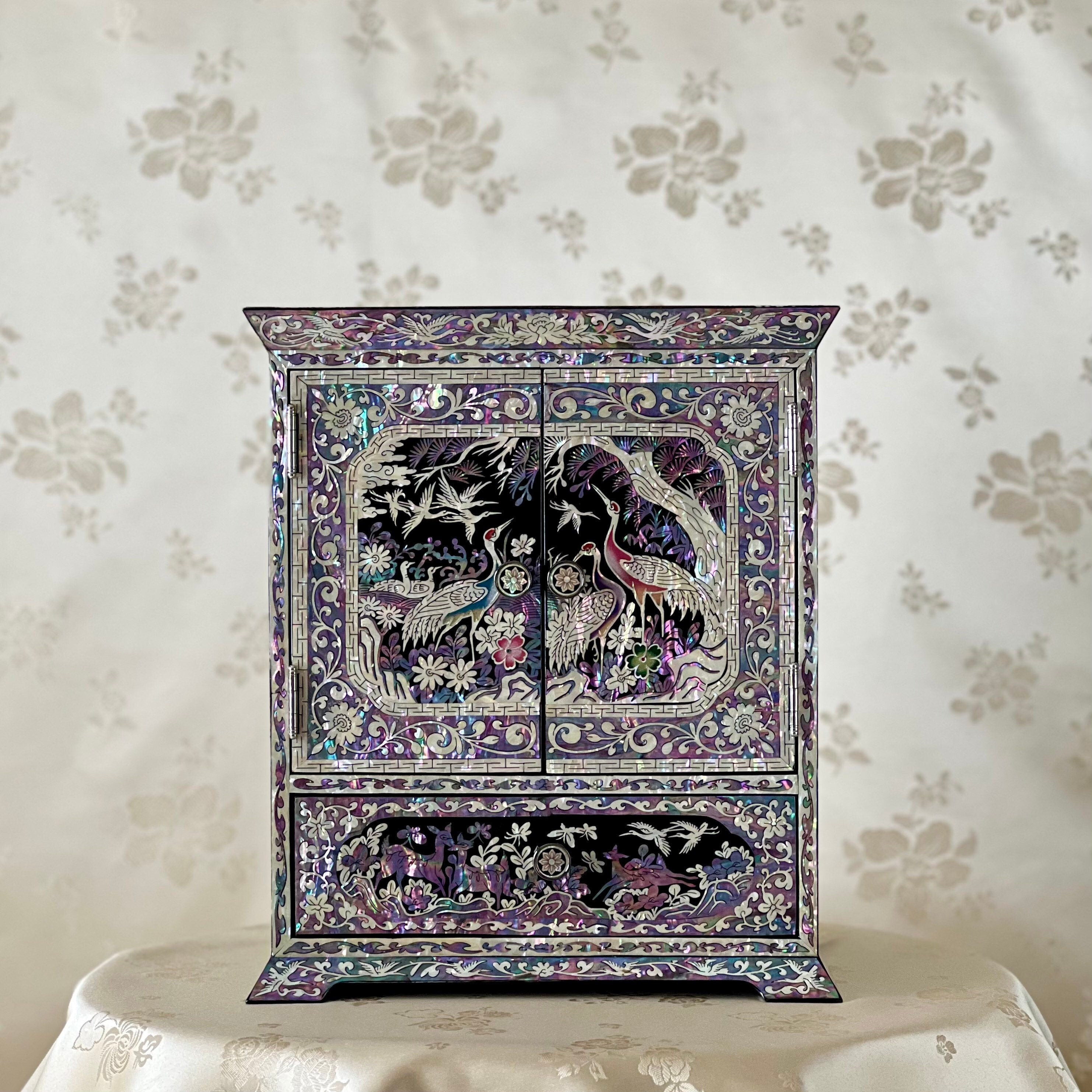
Together, Najeonchilgi refers to the painstaking art of inlaying razor-thin slices of iridescent shell into objects coated with natural lacquer (ottchil).
The Goryeo Dynasty: The Aristocrat's Treasure
During the Goryeo Period (918–1392), Najeonchilgi was not just furniture; it was currency.
The technique was so refined and the materials so precious that these pieces were strictly reserved for the aristocracy and the Royal Court. The Goryeo style was characterized by incredible detail—thousands of tiny, cracked pieces of shell forming intricate geometric patterns or floral scrolls.
It was considered the highest form of luxury, frequently sent as diplomatic gifts to emperors of foreign kingdoms to showcase Korea's cultural superiority. When you own a piece of Najeonchilgi today, you are participating in this tradition of high-status gifting.
The Joseon Dynasty: Art for the People
As history moved into the Joseon Dynasty (1392–1910), the art form breathed new life. While still expensive, it began to move beyond the palace walls.
The rigid, complex geometric patterns of the Goryeo era gave way to something more poetic. Artisans began to depict scenes of everyday life and nature: birds singing on branches, grapes ripening on the vine, and sweeping landscapes.
This era cemented Mother-of-Pearl as a beloved art form for the people. It became a way to bring the beauty of the outdoors inside the home, a tradition that continues in modern Korean interior design.
Why It Remains Timeless
Today, Najeonchilgi is experiencing a renaissance. In a world of mass-produced plastic, the "slow art" of applying lacquer—layer by layer, drying for weeks—appeals to those who value permanence.
Whether it is a small jewelry box or a grand wardrobe, these pieces are designed to last for centuries, glowing with the same mysterious light that captivated kings and queens a millennium ago.